
With the Texas State Board of Education poised to massively overhaul K-12 social studies curricula this year, we want to take a step back and spotlight the voices of Texas educators explaining why social studies rules.
We collected stories from passionate teachers who bring the subject to life in their classrooms. One of the first questions we asked them was why social studies is important and meaningful for their students.
Why Social Studies Matters
Courtney Williamson, who teaches 8th grade U.S. history, responded, “At its core, social studies is the story of people. It helps students see how different societies have solved problems, built communities, and struggled with big questions about justice, power, and belonging. When students explore those stories, they learn empathy and perspective. They start to understand how to live alongside people who may think, believe, or live differently than they do.”
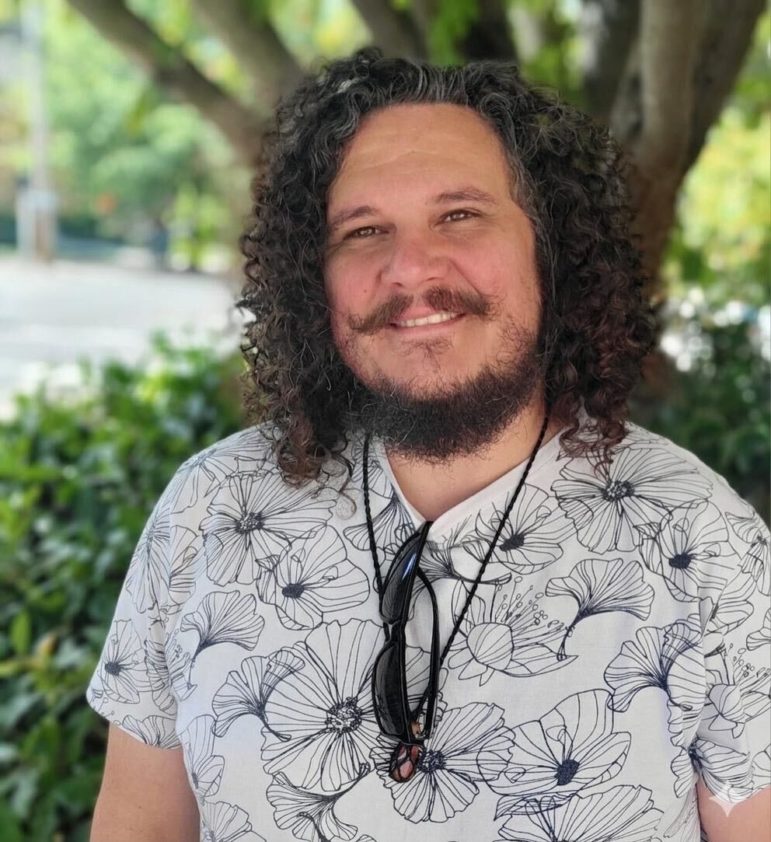
Another U.S. history teacher, Matthew Dobbs, added his perspective: “The skills of social studies help our students learn how to think with reason. Social studies teaches our students the skills to navigate the economic, social, and political changes that are happening all around them. Social studies frames students in the story of who we are so that they can have an understanding of what is at stake for their communities, families, and selves. Content helps us understand the story of how we got here and social studies skills teach us how we can act as stakeholders in our communities.”
But the benefits of social studies aren’t just felt by the students.
”History is my jam,” shares Dobbs, who teaches 11th grade. “Understanding it more over time has helped me understand not only who I am, but how my actions can make my family, community, state, and nation more stable in unstable and uncertain times. Being a social studies learner and teacher helps me be an effective stakeholder in society and enables me to make the world I care about safer, smarter, and more prosperous.”
Making History Come Alive
The teachers who shared their stories with us highlighted the importance of making history come alive. Dobbs involves his students in activities that turn them into “historical detectives.” In one exercise, he assigns groups to represent the perspectives of different countries. Through that lens, the groups examine primary sources like newspaper articles to deduce the factors leading to World War I. Students walk away understanding “how people make history happen and how our decisions matter in making it all happen.”

Instead of always lecturing, Williamson puts her students in the driver’s seat to get them excited about the content. In one lesson, students read primary sources and debated the reasons for the annexation of Texas and its consequences. “They were asking questions and challenging each other’s ideas. The energy in the room was completely different. They weren’t just learning history,” she relayed.
She talked about the impact of this style of hands-on learning. “Some of them even visited the Alamo over spring break and started researching more about Texas history on their own. That’s when I knew the lesson had really stuck. What surprised me most was how much they wanted to keep going. The first thing students asked for was more discussion days and more primary sources. They wanted to keep exploring different perspectives and debating ideas. Parents even reached out to say their kids were bringing these conversations home and talking about history at the dinner table instead of scrolling social media. Some students told me they were continuing the debates with friends at lunch. When students feel like their ideas matter, they engage with social studies instead of being a passive recipient.”
Taylor Swift, Adele, and the Declaration of Independence
Spring Davis-Webster, a world history, psychology, and sociology teacher, uses pop culture to help students relate to Revolutionary-era texts.
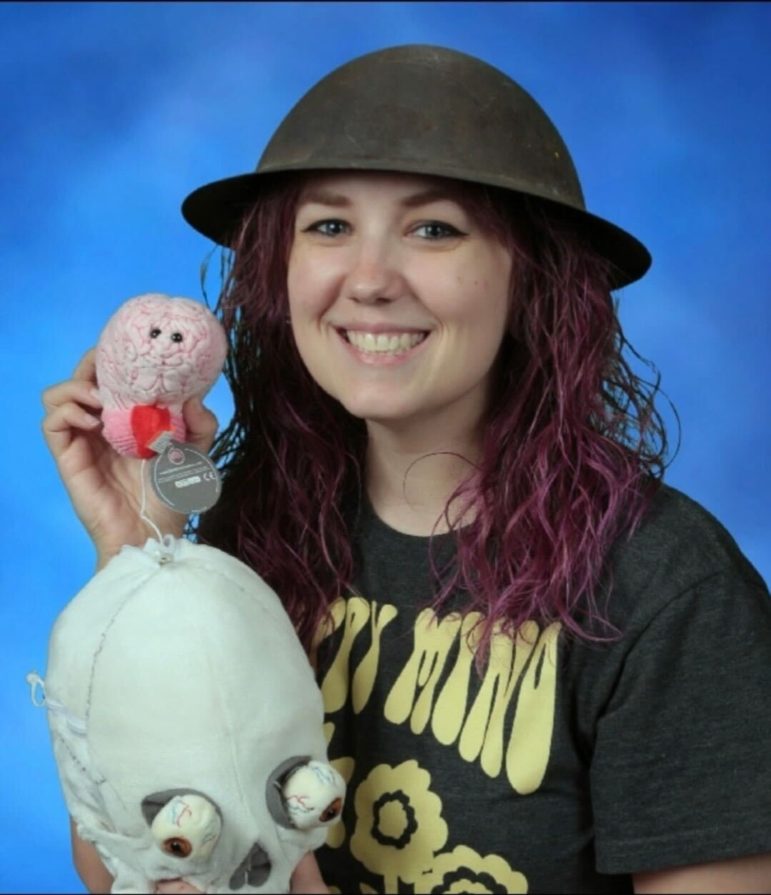
“Recently, my World History class explored the U.S. founding documents through the lens of a break-up letter. We played Taylor Swift, Adele, and all the classic breakup songs while we broke down the Enlightenment ideals in the Declaration that led to the ‘breakup,’ the new boundaries set within the Constitution, and the non-negotiables laid out in the Bill of Rights.
Students analyzed excerpts from the original documents alongside some intentionally cheesy Gen-Z translations to deepen their understanding of the language and ideas. They not only learned how Enlightenment philosophy shaped the American founding, but they also practiced identifying grievances, boundaries, and rights in a way that actually made sense to them.
Nothing makes a teacher smile quite like hearing a student say that King George was ‘low-key toxic,’ or that the colonists were basically writing the ultimate ‘it’s not me, it’s you’ letter.”
One of the First Times a Historical Document Actually Felt Relevant
“What surprised me the most was how seriously they engaged with it once they realized the activity was more than just a joke about break-up songs. Students who normally hesitate to speak up were suddenly debating whether the colonists’ grievances were justified or pointing out how Enlightenment thinkers influenced the language in the Declaration.
Several students commented that reading the original excerpts alongside the Gen-Z translations helped them realize that the ideas weren’t as distant or complicated as they first seemed. One student said it was the first time they understood that the colonists weren’t just ‘mad at taxes,’ but were arguing about rights, representation, and the limits of government power.
The level of engagement was incredible, students were quoting lines from the documents, connecting them to the music we were playing, and laughing while still having serious conversations about rights and responsibility. By the end, many of them said it was one of the first times a historical document actually felt relevant to their lives.
Moments like that remind me that when students can connect big historical ideas to their own world, the learning sticks.”
Let Teachers Teach
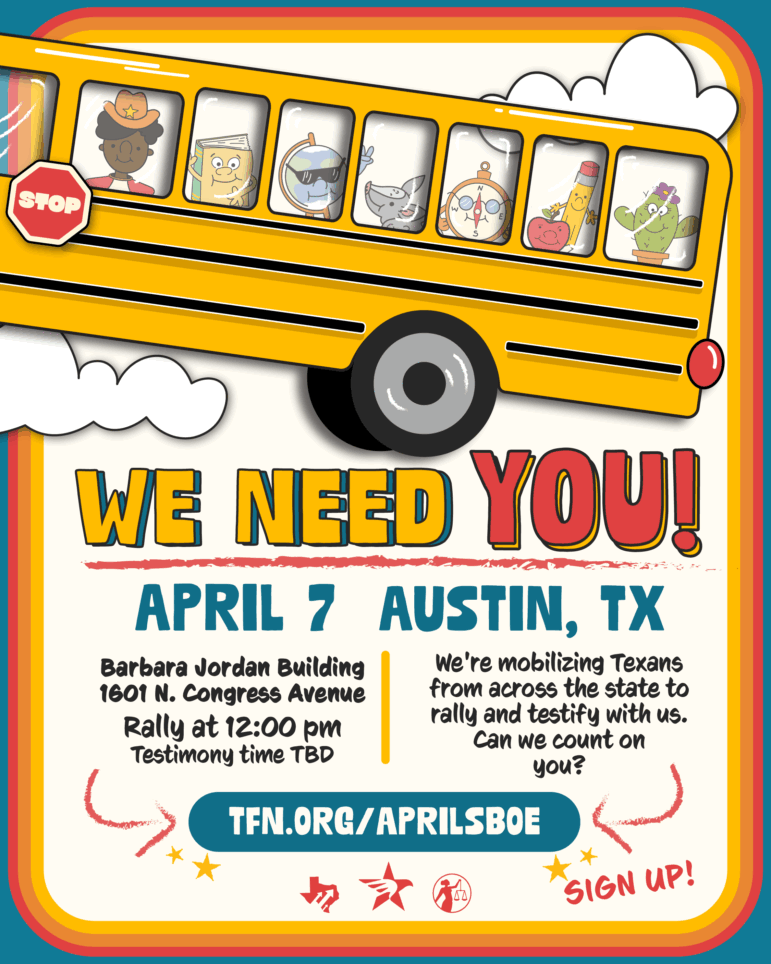
Educators like Davis-Webster, Dobbs, and Williamson are doing incredible work every day. They inspire others in their field and foster empathy and critical thinking skills in their students.
These teachers know social studies is more than a laundry list of dates and facts to check off. By enabling students to explore and analyze historical content in relevant and relatable ways, they create informed and engaged communities.
We celebrate these social studies rock stars. Their experience and expertise must be taken into account by decision-makers. TFN will continue working with educators and our Teach the Truth partners to lead the fight for their inclusion. Texas social studies standards must be accurate, balanced, rigorous, and actually feasible to implement in real Texas classrooms. Join us in raising our voices; because social studies rules!